
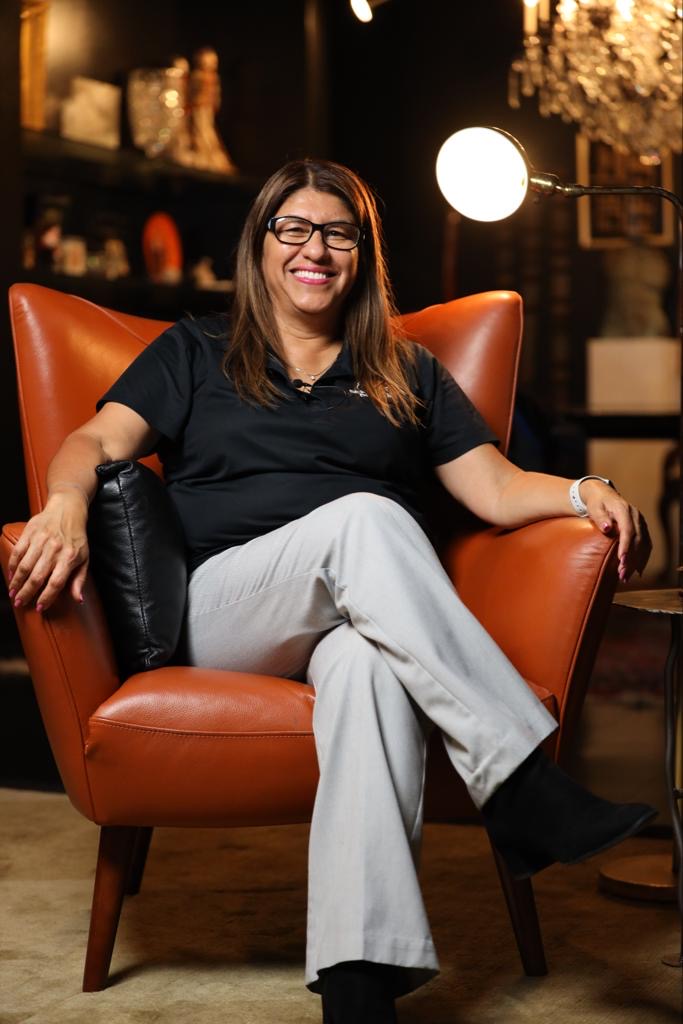
Generation Diamond, the only provider of free and low-cost tattoo removal services in Nebraska, has launched the state’s – and one of the nation’s — first in-prison tattoo removal programs. This is the latest step for the nonprofit organization, which began offering free and low-cost tattoo removals in Omaha, where it is located, more than three years ago.
After retiring from her career as a legal assistant, founder Blanca Mejia decided to create a nonprofit to assist those in reentry and unhoused people in the Omaha area. Mejia was a lawyer in Mexico before immigrating to the U.S. more than two decades ago.
The nonprofit provides a variety of services, including offering free work clothing to those looking for employment and help with legal documents and IDs, as well as tattoo removal.
And, this summer, it began offering tattoo removals inside the Omaha Correctional Center, a state facility that is operated by the Nebraska Dept. of Correctional Services.
How the pre-release tattoo removal program came about
Mejia has wanted to do an in-prison program for more than five years and started to “knock on doors,” as she puts it, to make that happen. The director of the Omaha Correctional Center was interested, but it still took a bit of effort to get things going.
“We had meetings to make sure that everybody was on the same page. They wanted to know about malpractice insurance, and if we have all that protocol,” Mejia says. “Then we had to sign a memorandum of understand concerning what they expect from us and what we expect from them. But they really wanted to do this, to make it possible.” And in the end, they did.
Mejia goes twice a month – during the first and third weeks – and performs tattoo removal procedures on at least 10 people each time. The prison has created a dedicated room, where Generation Diamond can store its Astanza Duality tattoo removal device and do the procedures. The device was the one Generation Diamond used before they upgraded to a Trinity last year.
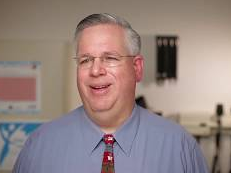
Dr. Michael Schooff, a family physician and Generation Diamond’s medical director, performs tattoo removals at the prison one half-day per month and at Generation Diamond’s headquarters two half-days per month. He got to know Blanca through their children. And when she asked him for help in finding a doctor to be the organization’s medical director, he said, “Here I am.”
The program’s participants ideally are people scheduled to be released within two years. That way Mejia says they have 18 months to work on getting their tattoos removed, so they can reenter society tattoo-free. Tattoos must be on the face, hands and neck and related to gangs or be anti-social.
Their goal is a program in every prison in Nebraska
Mejia says her dream is to get her pre-release tattoo removal program into every prison in Nebraska. The main stumbling block is funding and procuring volunteers.
“If we have the funds and the people who can help us run the program, we’d like to be in all the prisons,” she says. “We have a waiting list (at the Omaha Correctional Facility) right now. The demand has been really high. If we were able to get into other facilities, we’re confident that there would be an equal demand.”
In addition to its work at the Omaha Correctional Center, Majia and Schooff are still doing free tattoo removals twice a week at the Generation Diamond office, on Tuesday and Thursday afternoons. They see an average of nine people each day, and so far have removed tattoos from 196 people. Although the organization previously charged a nominal fee to those who were employed and wanted their tattoos taken off, the tattoo removal service is now free of charge to everyone who is eligible.
Why do this work?
Both Mejia and Schooff are guided by their faith, but just as important is their commitment to helping people create stronger, safer futures after they leave prison.
“They need it (tattoo removal),” says Mejia. “The tattoos really affect their lives in one way or another. We have people who can’t rent a place. They can’t get a job. Sometimes they may have anti-social tattoos, but they’re not the same person they were when they got the tattoo. I feel so grateful that we are able to provide these services.”
Schooff feels that he wants to pay society back for the blessings he has received.
“I have been given second chances, third chances, 29th chances in my life on various levels,” he says. “As a follower of Jesus Christ, that’s what it is all about. Forgiveness and fresh starts are two of the most beautiful things in the world. Playing a small part in being able to do that is very important to me.”
Advice for those considering a pre-release tattoo removal program
For Mejia, offering a pre-release tattoo removal program is all about serving people who need help.
“I pray and ask God to give me an opportunity and send me to the places where people need me,” she says. “Don’t do something expecting something back. Do it because you really want to do it.”
For Schooff, it’s all about giving back.
“As physicians we have been so blessed, so fortunate to be where we are. We should give back to our community. We’ve all been helped somewhat to be where we are,” he says.
“You have to be stupid to harm someone with a laser. It’s easy to learn, simple, low risk, high reward. It’s one of the best things I do.”
Get a free copy of our book and free technical assistance
Jails to Jobs is happy to offer free technical assistance and a free copy of our book, Tattoo Removal: Establishing a Free or Low-Cost Community-Based Program, A How-to Guide. We extend this offer to those interested in starting a free community-based tattoo removal program for individuals wanting their anti-social, gang-related, intimate partner violence or human trafficking tattoos removed. Please feel free to contact us with any questions or to learn how we can assist you in your efforts. We’re a nonprofit run by volunteers and are here to help!
